
Offered through Selkirk College
Northern Lights College (NLC) and Selkirk College have a pathway that allows you to complete the Mental health and Substance Use Certificate program without leaving Northeast BC!

How to Apply
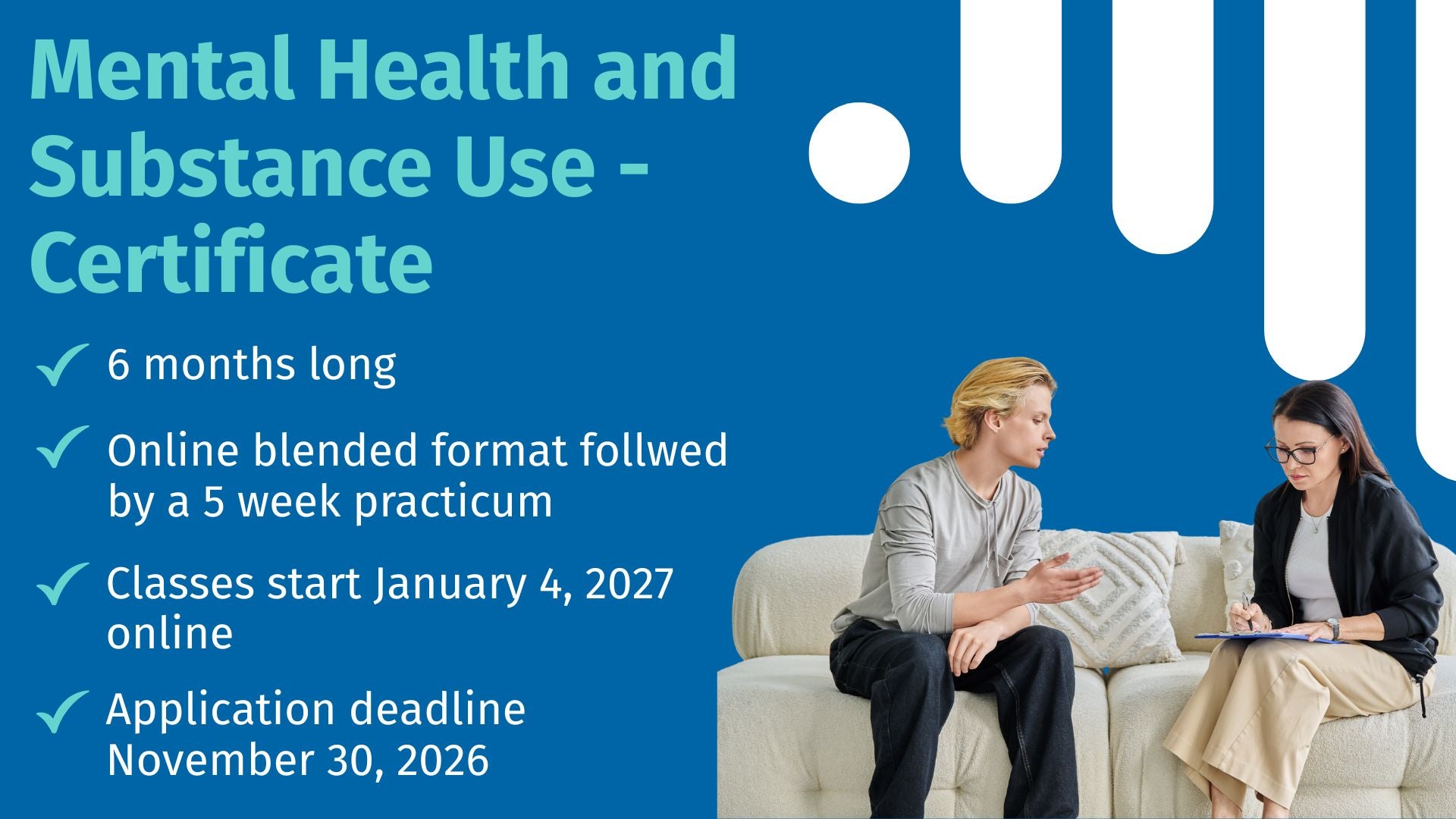
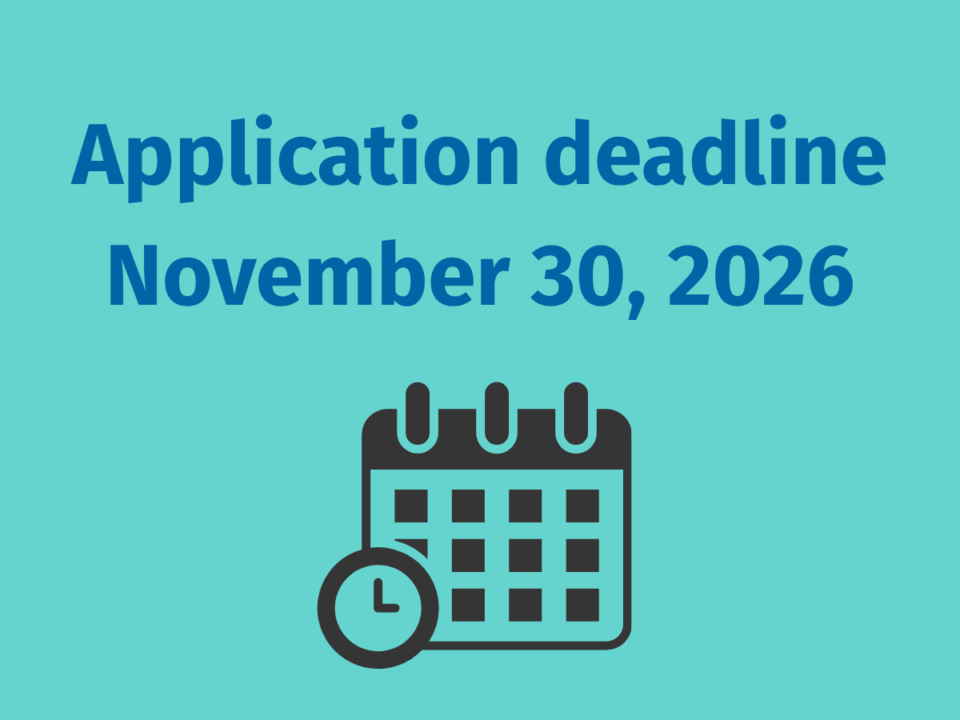
Apply to Selkirk College for the program, and advise Selkirk you want to attend the practicum portion at Northern Lights College. Application deadline is November 30, 2026
Overview
Build the skills to change lives. This program prepares you for a meaningful career in mental health and substance use support, combining hands-on training with the knowledge you need to make a real impact in healthcare and social services.
Entry Requirements
BC high school graduation or equivalent with 60% or higher in the following:
- English Studies 12
English language proficiency: Applicants are required to meet one of the English language proficiency assessments outlined in Policy 8611 at an appropriate level to be accepted into this program.
Additional Requirements
- Student must be 19 years or older at the start of the student’s first academic term
- Criminal record check (CRC) from the BC Ministry of Justice, or province of residence.
- Demonstrate compliance with Public Health Officer’s orders with respect to applicable vaccine requirements (must have completed before practicum if the practice area requires it)
Qualified applicants are accepted on a first-come, first-served basis. Early application is recommended.

FAQ
Yes, the students receive a Mental Health and Substance Use Certificate. Students may wish to return to Northern Lights College to complete a Social Service Worker Diploma.
Yes, the program is delivered online. Most of the work is done asynchronously but there are 6 hours per week of mandatory synchronous class time either in the morning or afternoon for 2 hour blocks. Students are expected to have good wifi and a computer/laptop.
At the end of the 2 modules, students enter into a full-day, 5-week practicum and complete 150 hours of practical experience.
The MHSU program is very intensive and rigorous. While you are in class for 6 hours per week, the expectation is that you are in full time studies during this time and require approximately 25-35 hours per week to complete the weekly readings and tasks.
Where possible, placements will be located in the student’s home community. Placement coordinators at the college will identify and confirm placements for students.
Frontline Support Roles
- Mental Health Support Worker
- Substance Use/Addictions Support Worker
- Community Support Worker
- Outreach Worker (working with vulnerable populations)
Health & Social Service Settings
- Residential Support Worker (group homes, recovery houses)
- Shelter Worker (youth, housing, or crisis shelters)
- Peer Support Worker
- Life Skills Support Worker
The online theory component of the program allows flexibility of lifestyle and time management. Students can stay at home to work on courses at a convenient time. It saves child care, driving and fuel expenses.
Small class sizes give students individual attention as well as a sense of community and sharing with fellow students.
Return of Service applies only to Health Career Access Program (HCAP) students. For more information on the HCAP program email Northern Health or visit their website.
This certificate offers practical, community-focused training tailored to rural settings, with an emphasis on hands-on skills, cultural safety, and interdisciplinary teamwork. It prepares graduates for immediate entry into frontline roles while also serving as a pathway to further education in health and human services